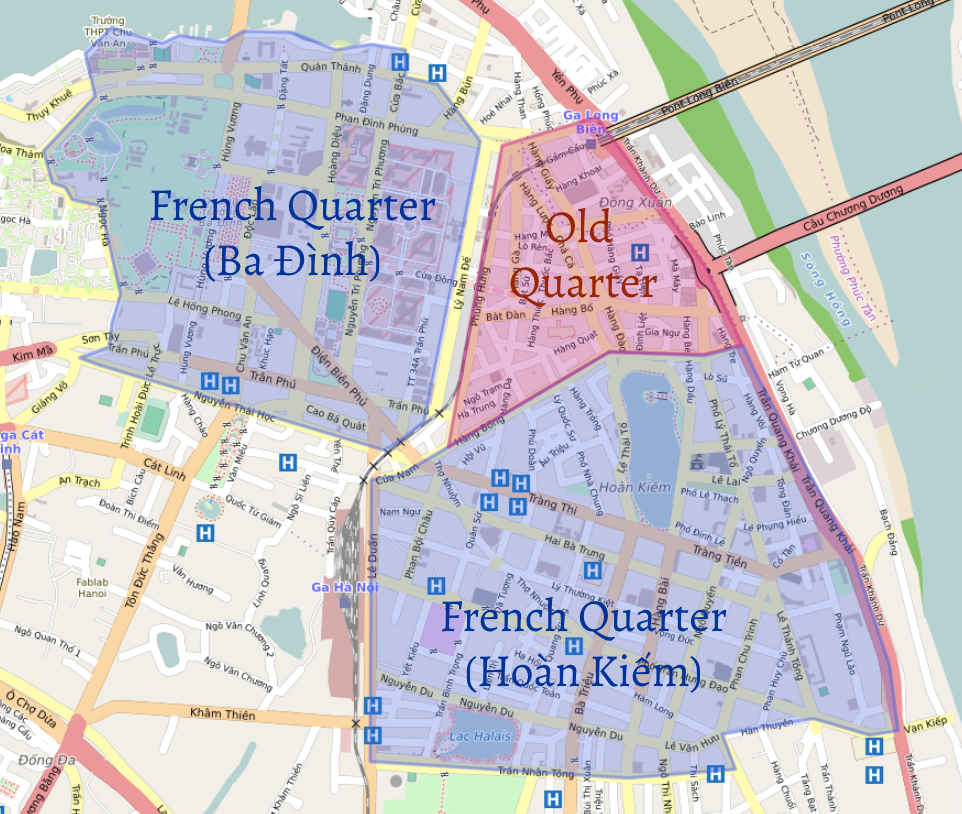
If you’re planning a trip to Hanoi, the Temple of Literature is one of the city’s most iconic attractions. Built nearly a thousand years ago, it is much more than an ancient temple. It is a symbol of Vietnam’s respect for education, scholarship, and lifelong learning.
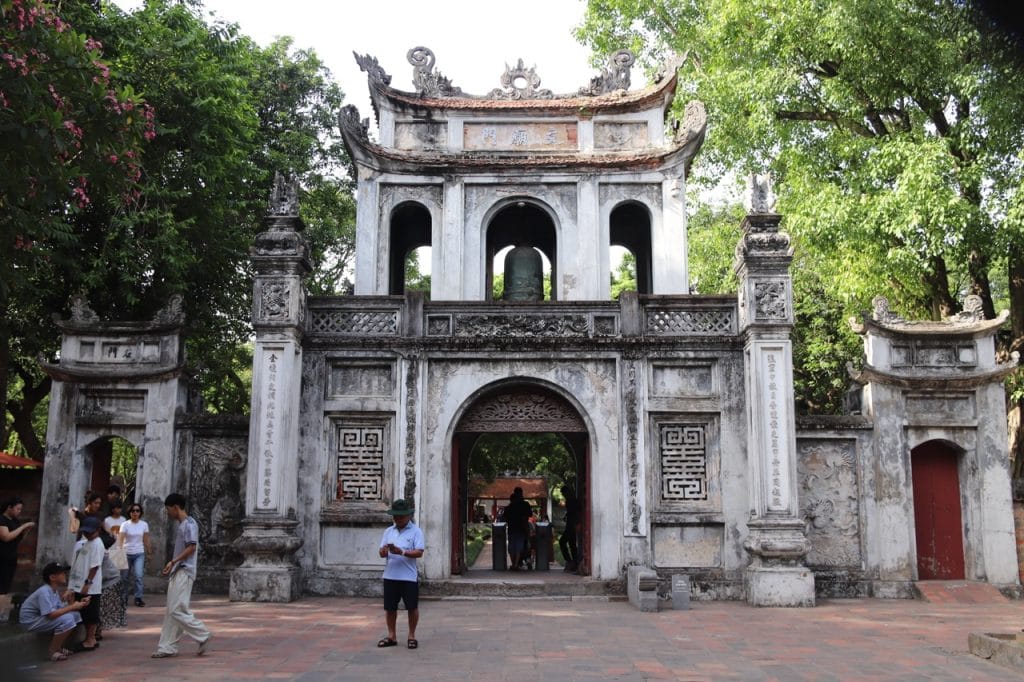
From stone turtles that honor the country’s brightest minds to a university that predates many famous institutions around the world, here are ten fascinating facts you may not know before your visit.
Visitor Information
Opening Hours
- Daily: 8:00 AM to 5:00 PM. The Temple is open every day, including weekends and most public holidays.
Admission Tickets
- Adults: 70,000 VND
- Vietnamese students (with valid ID): 35,000 VND
- Seniors (60+) and people with disabilities: 35,000 VND
- Children under 12: Free
- Tour guide with valid international license: Free
Visitor Tips
- Plan to spend 1 to 2 hours exploring the five courtyards.
- Dress respectfully, as it is an active temple dedicated to Confucius.
- Visit early in the morning for cooler weather and fewer crowds.
1. A Place to Honor Great Teachers
The Temple of Literature is dedicated to Confucius, the great Chinese philosopher whose teachings shaped education and ethics across East Asia. It also honors Chu Văn An, one of Vietnam’s most respected teachers, who became the rector of the Imperial Academy and is remembered for his integrity and dedication to education.
Confucius famously said:
“By three methods we may learn wisdom: First, by reflection, which is noblest; second, by imitation, which is easiest; and third, by experience, which is the bitterest.”
This quote reflects the Temple’s enduring message that learning is a lifelong journey.
Good to know 🇻🇳
Teachers are highly respected in Vietnam. Every year on November 20, the country celebrates Vietnamese Teachers’ Day. Students, both past and present, visit their teachers with flowers and small gifts to express gratitude for their guidance. Many schools also organize performances and ceremonies to honor educators.
2. It Was Built Nearly 1,000 Years Ago
The Temple of Literature was founded in 1070 during the reign of Emperor Lý Thánh Tông. Originally dedicated to Confucius, it later became an important center of learning and remains one of the best preserved historical sites in Hanoi.
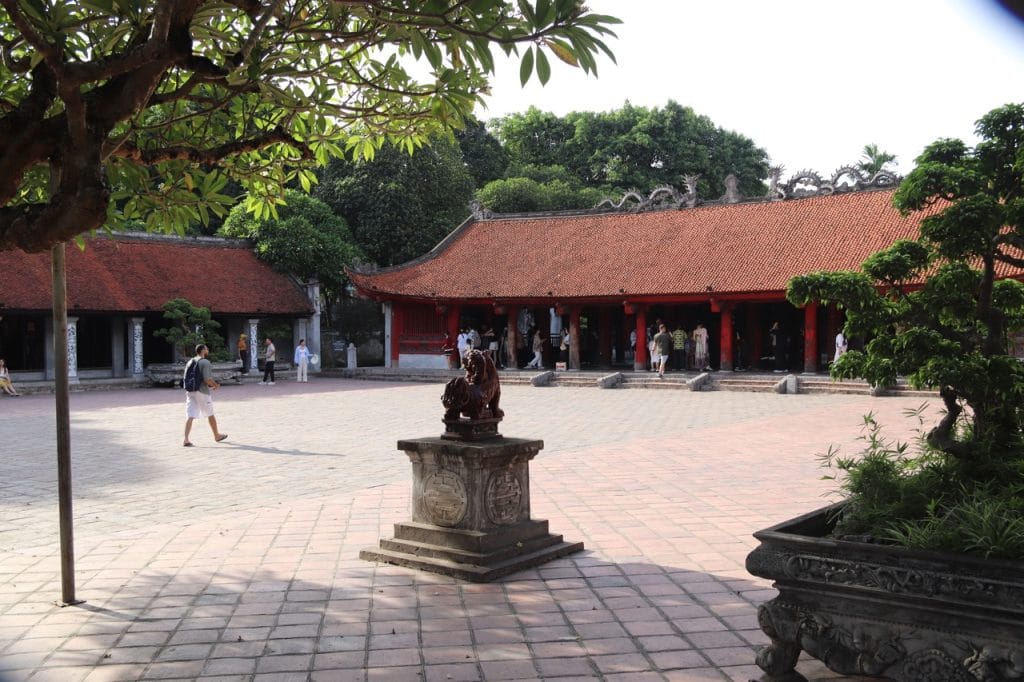
Walking through its peaceful courtyards today feels like stepping back into medieval Vietnam.
3. It Was Vietnam’s First National University
Just six years after the temple was built, Emperor Lý Nhân Tông established Quốc Tử Giám, Vietnam’s first national university.
Initially, only members of the royal family and high ranking officials could study there. Over time, talented students from ordinary families also earned the opportunity to attend through rigorous examinations.
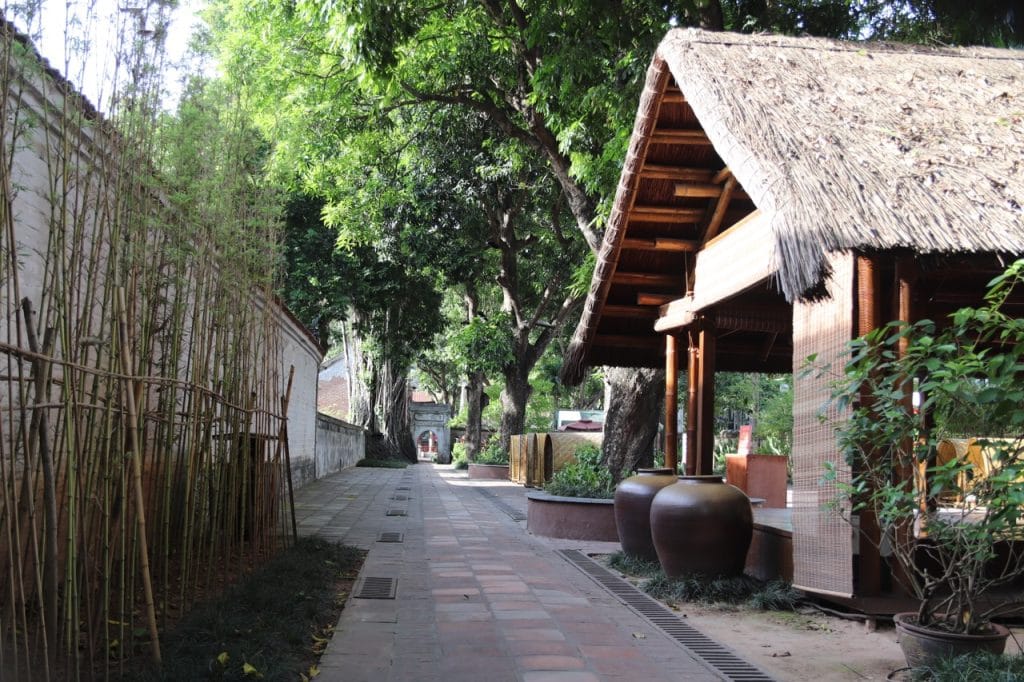
For more than 700 years, the university educated scholars, administrators, and advisors who helped govern the country.
4. It Is Older Than Many Famous Universities
Visitors are often surprised to learn how old the Temple of Literature really is.
The university was founded in 1076, making it older than many world famous institutions.
For comparison:
- Harvard University was founded in 1636.
- Yale University opened in 1701.
- The University of Melbourne was established in 1853.
The Temple of Literature reminds visitors that Vietnam has valued education for centuries.
5. The Famous Stone Turtles Are More Than Decorations
One of the most photographed areas of the complex is the courtyard filled with stone turtles.
Each turtle supports a stone stele engraved with the names of scholars who passed the royal examinations between 1442 and 1779.
There are 82 surviving stelae, preserving the names of 1,307 successful scholars.
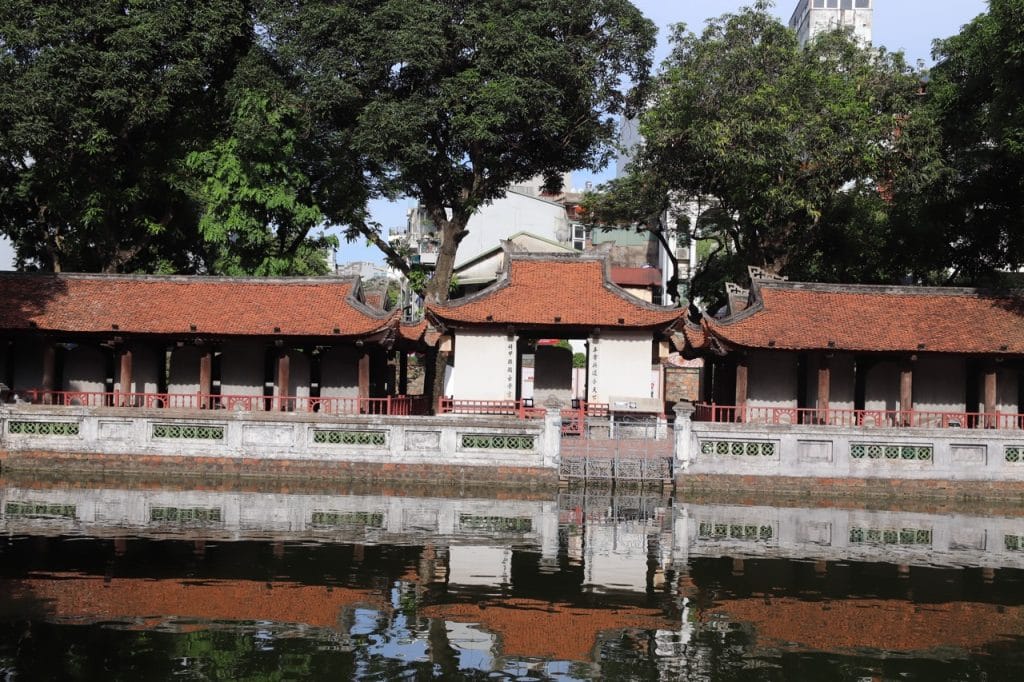
These remarkable monuments were recognized by UNESCO’s Memory of the World Programme because of their historical significance.
6. People Once Rubbed the Turtle Heads for Good Luck
For generations, students believed touching the turtles would bring success in exams.
The tradition became so popular that many turtle heads began to wear down from constant contact.
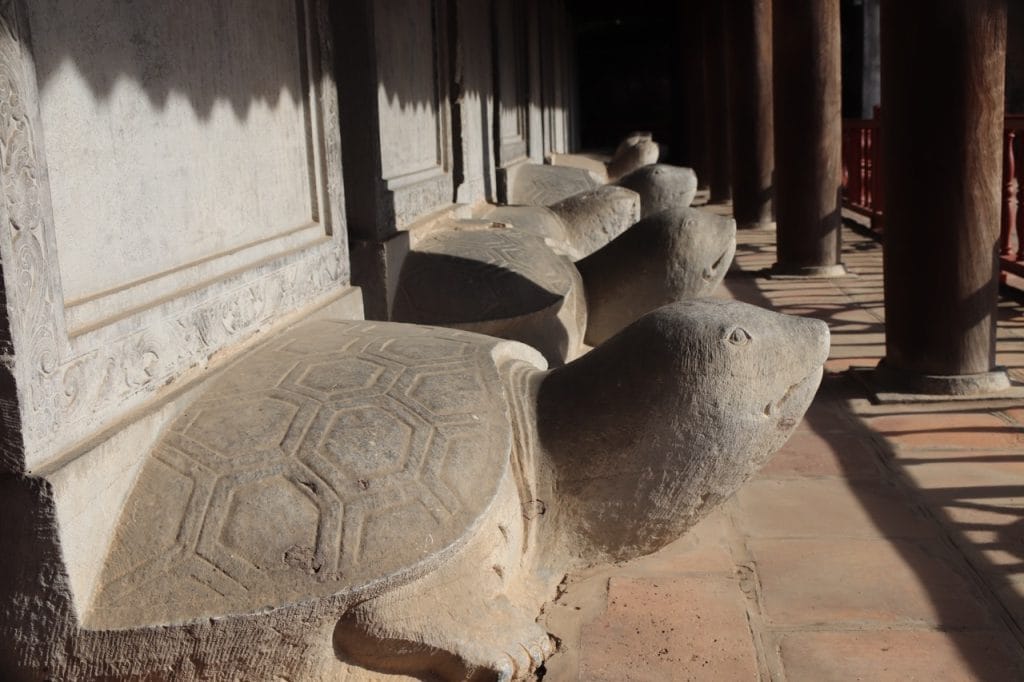
Today, visitors are asked not to touch the turtles to help preserve this important cultural heritage for future generations.
7. The Khue Van Pavilion Is a Symbol of Hanoi
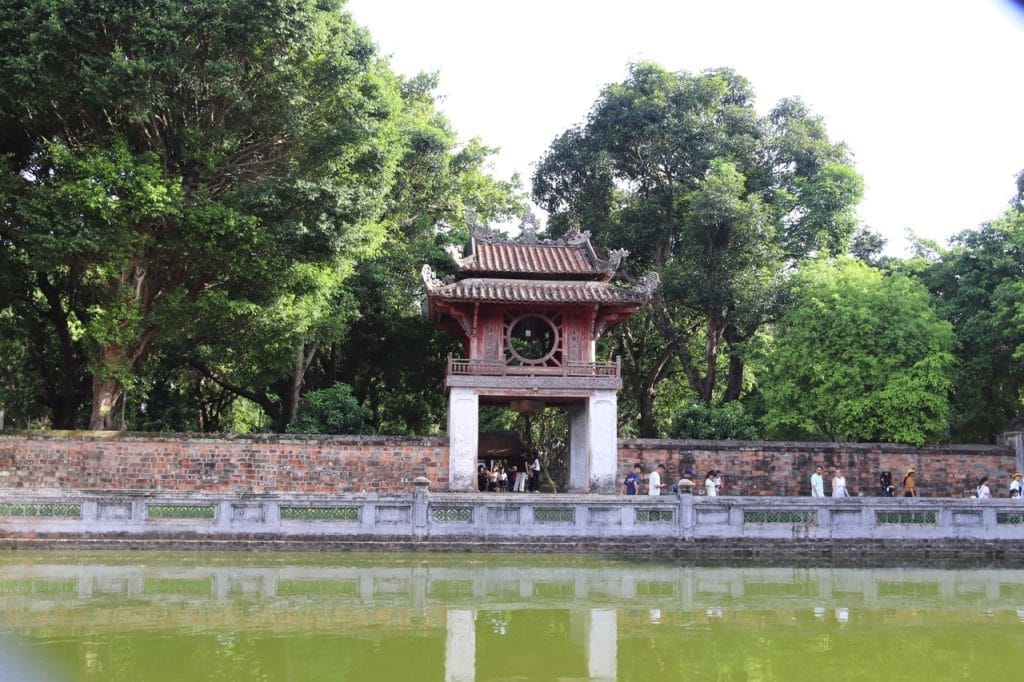
The striking red pavilion in the center of the complex is called Khuê Văn Các.
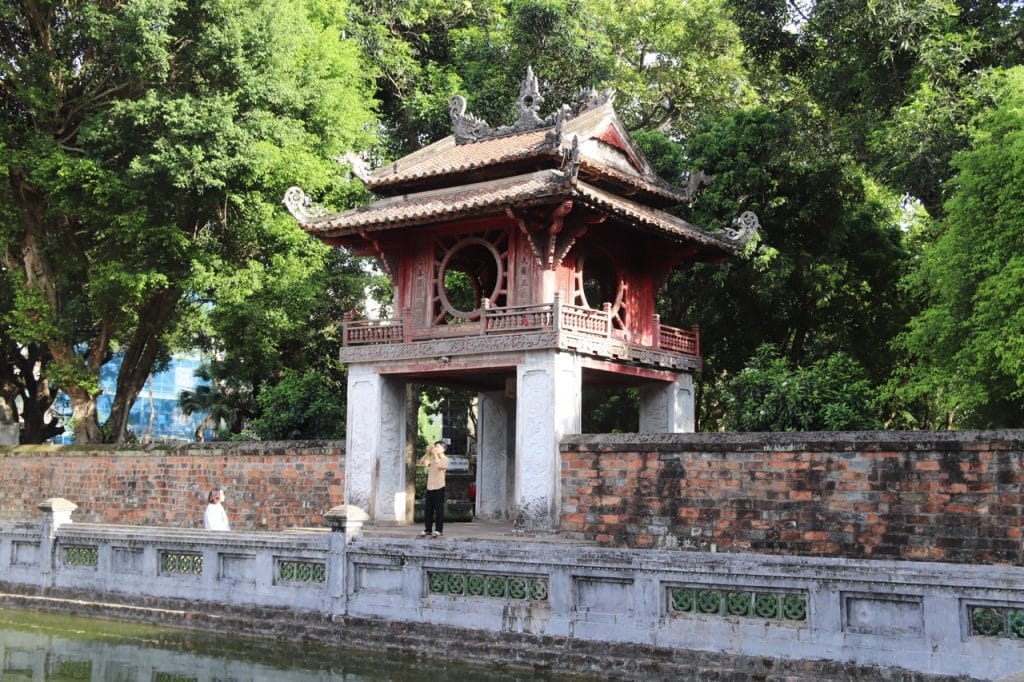
Built in 1805, its name refers to the Khue star, traditionally associated with literature and wisdom.
Today, the pavilion has become one of Hanoi’s most recognizable symbols and appears in the city’s official logo.
It is also one of the most photographed landmarks in the capital.


8. The Temple Is Designed Like a Journey of Learning
The Temple of Literature is divided into five courtyards.
As visitors move from one courtyard to the next, they symbolically follow the path of a scholar.
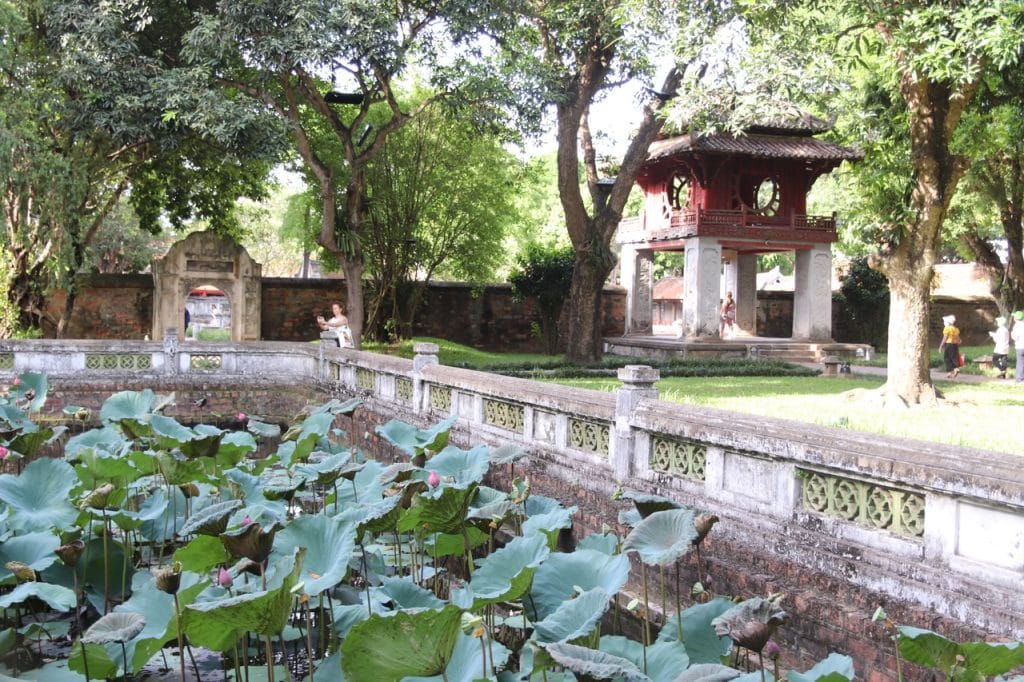
The journey begins at the main entrance, continues through peaceful gardens and the Well of Heavenly Clarity, and ends at the sanctuary dedicated to Confucius and the former university.
The design reflects the importance of discipline, knowledge, and personal growth.
9. Students Still Visit Before Important Exams
Despite being nearly a thousand years old, the Temple of Literature continues to inspire students today.
Before major school and university entrance exams, thousands of Vietnamese students visit to pray for wisdom and academic success.
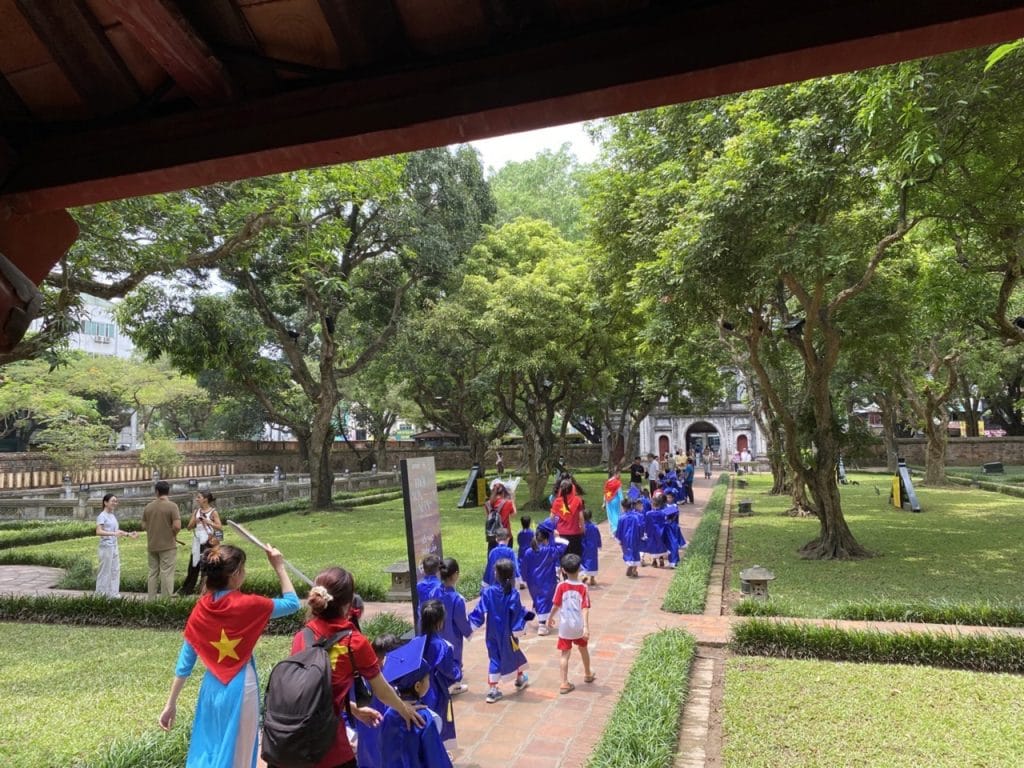
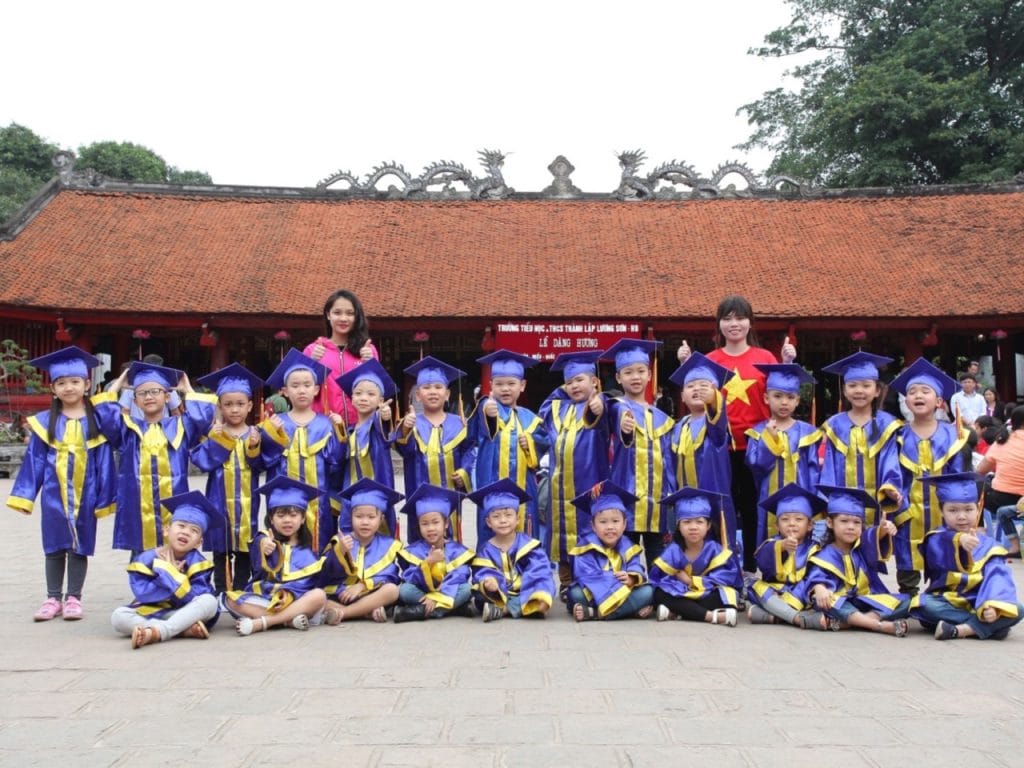
During graduation season, the temple also becomes a popular place for students wearing traditional áo dài to celebrate their achievements.
10. It Appears on Vietnamese Currency
If you have a Vietnamese 100,000 đồng banknote in your wallet, take a closer look.
The image on the back features the Temple of Literature, highlighting its importance as one of Vietnam’s greatest cultural landmarks.
It is one of the few historical sites in the country honored on national currency.

11. It’s Much More Than a Tourist Attraction
Most visitors spend about an hour exploring the temple, but understanding its history adds a completely different perspective.
The Temple of Literature tells the story of Vietnam’s commitment to education, merit, and scholarship over nearly a millennium.
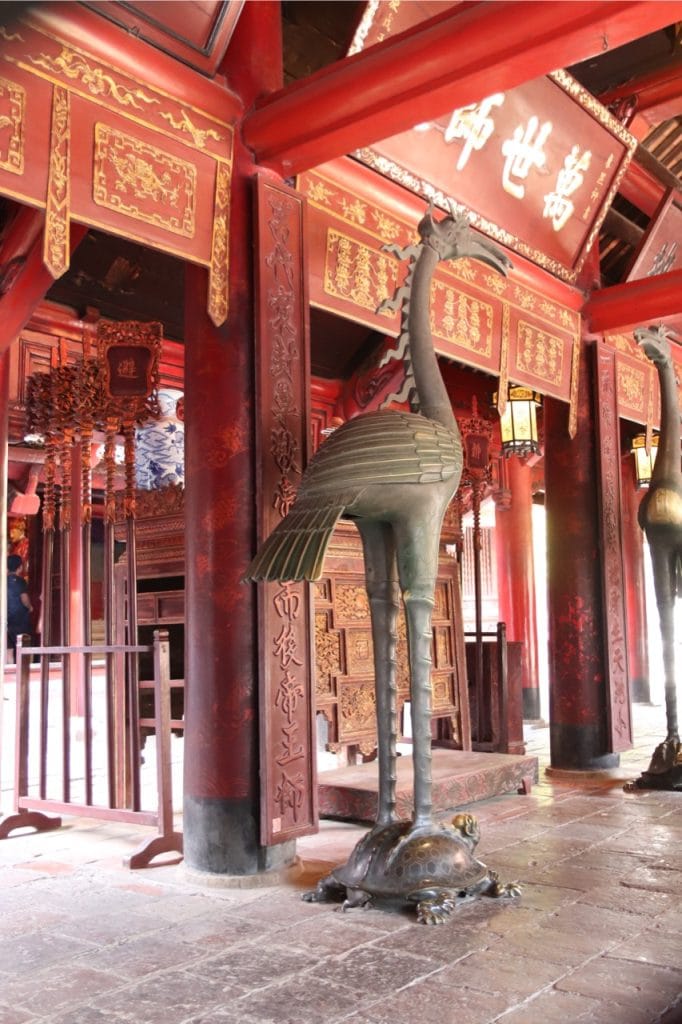
It is not simply a beautiful monument. It represents the belief that knowledge can shape both individuals and nations.
That is why it remains one of the most meaningful places to visit in Hanoi.
12. Even the Emperor Had to Dismount Here 🐎
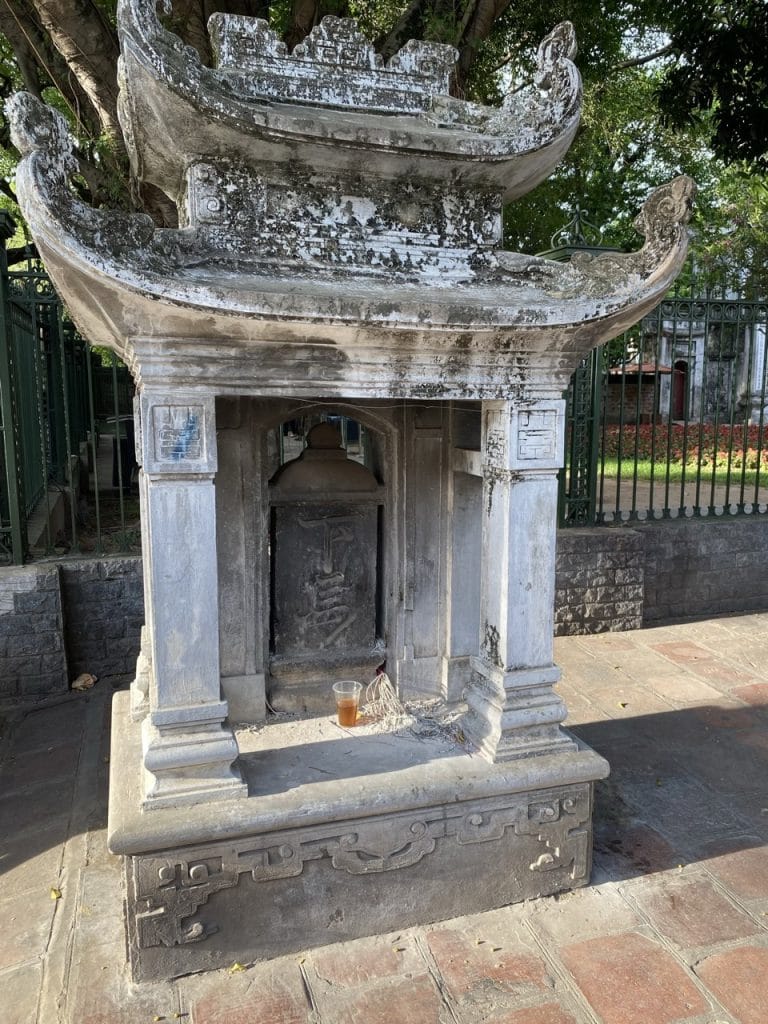
In imperial times, everyone, including high ranking officials and even the Emperor, was expected to dismount from their horses before entering the Temple of Literature as a sign of respect for learning and Confucius. This tradition is remembered by the stone marker reading “Hạ Mã” (下馬), meaning “Dismount Here.” It reminds visitors that knowledge deserves humility and respect above rank or power.
My Favorite Confucius Quotes
I personally enjoy collecting the wisdom of Confucius. More than 2,500 years later, his teachings on learning, character, and leadership continue to inspire people around the world. Here are some of my favorites.
On Learning
“It does not matter how slowly you go as long as you do not stop.”
Chinese
- Simplified: 走得慢没关系,只要你不停下来
- Traditional: 走得慢不要緊,最重要的是不要停
- Pinyin: Zǒu de màn méi guān xì, zhǐ yào nǐ bù tíng xià lái
“The man who moves a mountain begins by carrying away small stones.”
“By three methods we may learn wisdom: first, by reflection, which is noblest; second, by imitation, which is easiest; and third, by experience, which is the bitterest.”
“Real knowledge is to know the extent of one’s ignorance.”
“Study the past if you would define the future.”
On Character
“The superior man is modest in his speech, but exceeds in his actions.”
“When we see men of a contrary character, we should turn inward and examine ourselves.”
“The superior man understands what is right; the inferior man understands what is profitable.”
“To see what is right and not do it is want of courage.”
On Life
“Our greatest glory is not in never falling, but in rising every time we fall.”
“Wherever you go, go with all your heart.”
“Silence is a true friend who never betrays.”
“Life is really simple, but we insist on making it complicated.”
On Leadership
“To lead people, walk behind them.”
“The expectations of life depend upon diligence. The craftsman who wishes to perfect his work must first sharpen his tools.”
On Relationships
“Never impose on others what you would not choose for yourself.”
“Respect yourself and others will respect you.”
“The superior man is distressed by the limitations of his ability, not by the failure of others to recognize him.”
Planning Your Visit
The Temple of Literature is located just a short walk from Hoa Lo Prison, making the two sites an excellent combination for anyone interested in Vietnam’s history.
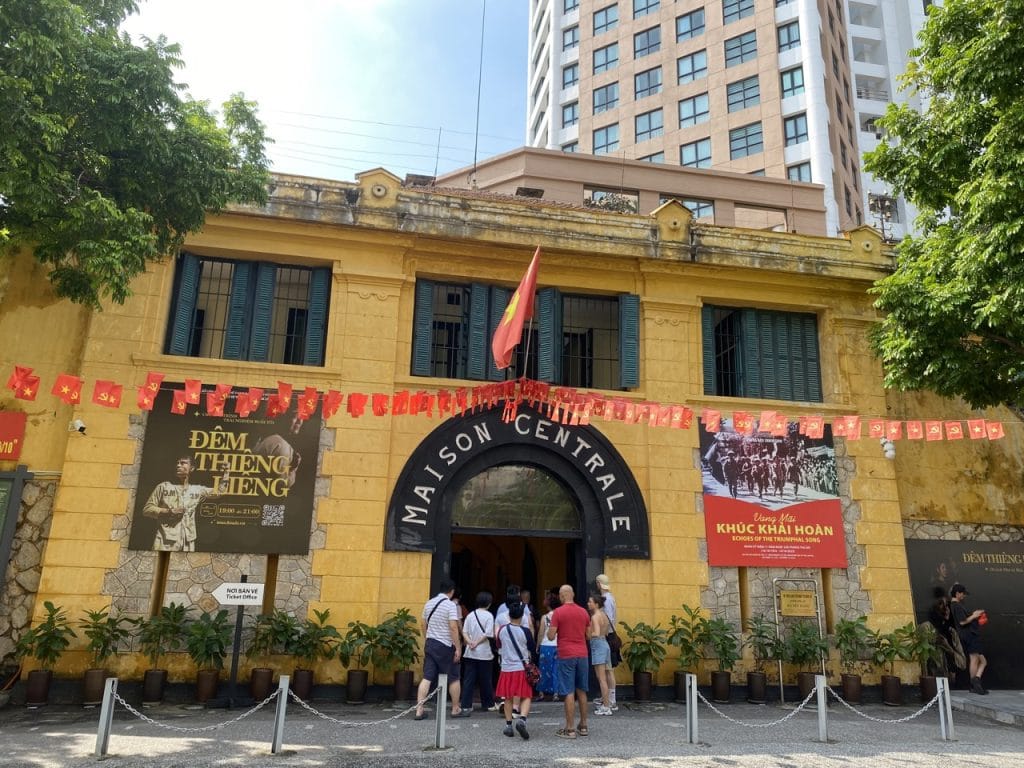
While the Temple of Literature showcases nearly a thousand years of learning and intellectual tradition, Hoa Lo Prison tells the story of resilience, colonialism, and the struggle for independence. Together, they offer a deeper understanding of Vietnam’s past than either site alone.
On our Hoa Lo Prison & Temple of Literature Walking Tour, we connect these two landmarks through stories that bring history to life, helping visitors understand not only what happened, but why these places continue to matter today.
Final Thoughts
The Temple of Literature is one of Hanoi’s most treasured landmarks for good reason. Whether you’re interested in history, architecture, education, or simply looking for a peaceful escape from the city’s busy streets, it offers a fascinating glimpse into Vietnam’s rich cultural heritage.
The next time you walk through its ancient gates, take a moment to look beyond the beautiful buildings. Every courtyard, stone turtle, and carved inscription tells a story that has shaped Vietnam for nearly one thousand years.