If you are wondering what to eat in Hanoi, start with the foods locals actually build their day around: a morning bowl of pho, smoky bun cha at lunch, soft banh cuon, sticky rice from a street cart, egg coffee in a hidden cafe, and a few snacks you will probably miss unless someone points them out.
Hanoi food is not the loudest food in Vietnam. Northern cooking is usually lighter, cleaner, and more balanced than the spicy center or sweeter south. The magic is in the broth, herbs, charcoal smoke, dipping sauce, and tiny street stalls that have served one dish for years.
This guide is for broad Hanoi food planning. If you specifically want a walkable food route in the Old Quarter, use our Hanoi Old Quarter street food route. If you are still planning the whole trip, start with our Hanoi travel hub.
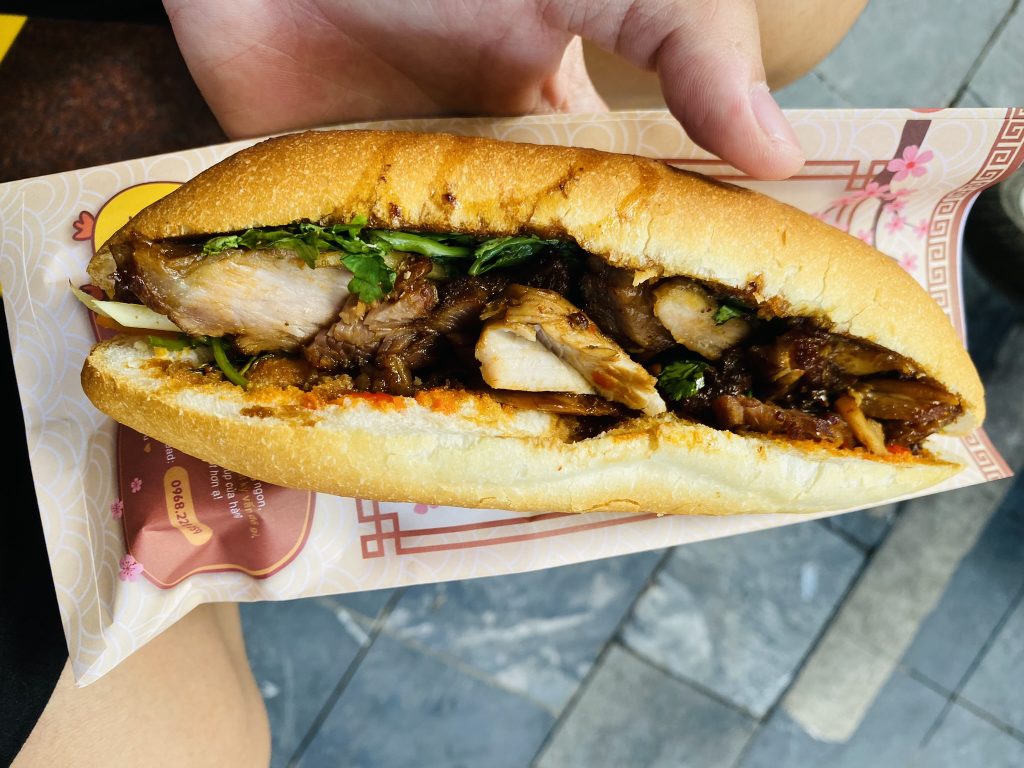
Quick Answer: What Food Is Hanoi Famous For?
- Pho bo or pho ga: Hanoi-style noodle soup with clear broth, rice noodles, herbs, beef or chicken.
- Bun cha: grilled pork patties and pork belly in a warm dipping sauce with rice noodles and herbs.
- Banh cuon: soft steamed rice rolls with minced pork, mushroom, fried shallots, and fish sauce.
- Cha ca: turmeric fish cooked with dill and spring onion, served with noodles and peanuts.
- Xoi xeo: yellow sticky rice with mung bean, fried shallots, and optional meat toppings.
- Banh mi: crispy Vietnamese baguette with pate, egg, pork, chicken, or vegetarian fillings.
- Egg coffee: strong Vietnamese coffee topped with whipped egg yolk and condensed milk.
- Bia hoi: fresh draft beer, usually enjoyed on plastic stools with snacks at night.
Local food shortcut: Hanoi is easy to eat in, but hard to decode on your first night. If you want a local to handle ordering, timing, hidden alleys, and dish explanations, join the Hanoi Street Food & Hidden Path Tour. It is a 3-hour food walk hosted by a local guide, priced from $31, with 5.0 rating and 233 reviews.
Basic Ordering Phrases
| What you need | Vietnamese | Pronunciation |
|---|---|---|
| One / Two | Một / Hai | Moht / High |
| This (pointing) | Cái này | Kai nay |
| How much? | Bao nhiêu? | Bow nyew? |
| Delicious | Ngon | Ngon |
| No meat / Vegetarian | Không thịt / Chay | Khong tit / Chai |
| Less spicy | Ít cay thôi | It kay toy |
How Hanoi Locals Eat During The Day
Hanoi is a rhythm city. Some dishes are best early, some appear after work, and some vendors sell out before you think about lunch. A simple food day can look like this:
- 6:00-9:00 AM: pho, xoi, banh cuon, noodle soups, hot tea.
- 11:00 AM-1:30 PM: bun cha, rice plates, dry noodles, office lunch dishes.
- 3:00-5:00 PM: banh mi, sweet soups, fruit, coffee, fried snacks.
- 6:00-9:00 PM: street food crawl, grilled dishes, hot pot, bia hoi.
You do not need to follow this perfectly. Many dishes are available all day. But eating with the local rhythm gives you fresher food and a better chance of seeing the stall at its best.
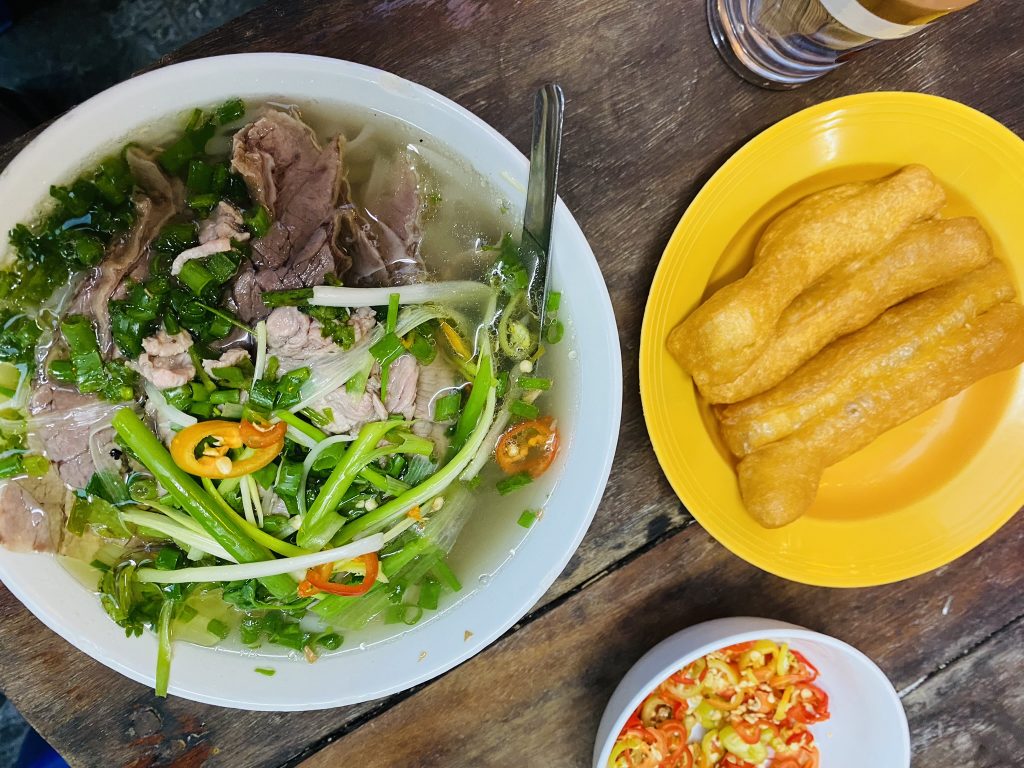
1. Pho Bo Or Pho Ga
Pho is the obvious first answer, and in Hanoi it still deserves the attention. Hanoi pho is usually simple: clear broth, flat rice noodles, thin beef or chicken, spring onion, herbs, lime, chili, and sometimes garlic vinegar.
What to order: pho bo for beef, pho ga for chicken. If you like richer flavor, ask for beef brisket or mixed cuts. If you want something lighter, chicken pho is gentler.
Typical price: 45,000-75,000 VND for a local bowl.
Local tip: taste the broth before adding lime or chili. Hanoi-style pho is about broth balance, not heavy toppings.
2. Bun Cha
Bun cha is one of the best lunches in Hanoi: charcoal-grilled pork patties and pork belly served in a warm fish-sauce broth with rice noodles, herbs, garlic, chili, and sometimes fried spring rolls on the side.
It is smoky, fresh, sweet, salty, and filling without being heavy. If you only have time for one lunch dish in Hanoi, make it bun cha. For a deeper dish guide, see our bun cha guide.
Typical price: 50,000-90,000 VND. Add nem cua be or fried spring rolls if you are hungry.
3. Banh Cuon
Banh cuon is a breakfast favorite made from thin steamed rice sheets filled with minced pork and wood ear mushroom, then topped with fried shallots. You dip each bite into light fish sauce with herbs and sometimes Vietnamese sausage.
Why try it: the texture is soft, warm, and delicate. It is one of the best dishes for understanding northern Vietnamese food because the flavor is subtle rather than loud.
Typical price: 30,000-60,000 VND.
4. Xoi Xeo And Savory Sticky Rice
Xoi is sticky rice, but in Hanoi it is often savory and practical. Xoi xeo is the classic version: yellow sticky rice with mung bean paste and fried shallots. Other versions add chicken, pork, egg, pate, Chinese sausage, or braised meat.
Best time: morning, when vendors are busiest and the rice is still warm.
Typical price: 15,000-50,000 VND depending on toppings.
5. Cha Ca
Cha ca is turmeric-marinated fish cooked with dill and spring onion, then eaten with rice noodles, peanuts, herbs, and dipping sauce. It is one of Hanoi’s most famous restaurant dishes and feels more like a sit-down meal than a quick street snack.
Who should try it: travelers who want a distinct Hanoi specialty beyond pho and bun cha.
Typical price: 170,000-300,000 VND per person in many restaurants.
6. Banh Mi
Banh mi is found across Vietnam, but Hanoi versions are often simpler than southern versions: crispy bread, pate, egg, pork, chicken, sausage, herbs, cucumber, chili, and sauce.
Good for: afternoon snack, quick breakfast, late-night bite, or a cheap meal between sightseeing stops.
Typical price: 20,000-50,000 VND.
Vegetarian and vegan banh mi can be excellent, but they are easier when you know where to go. Start with our vegan banh mi in Hanoi guide.
7. Mien Tron Muc
Mien tron muc is a dry glass noodle dish with dried squid, water spinach, herbs, peanuts, fried shallots, and chili sauce. It is more local than famous, which makes it a good dish when you want to move past the usual tourist list.
Where it fits: lunch or early dinner, especially around small lanes in the Old Quarter.
Typical price: around 60,000-90,000 VND depending on toppings.
8. Pho Cuon
Pho cuon uses uncut sheets of pho noodle wrapped around beef, herbs, and lettuce, then dipped in fish sauce. It is lighter than soup pho and especially popular around the Truc Bach area.
Good for: travelers who want something fresh, not too heavy, and easy to share.
Typical price: 70,000-120,000 VND for a plate.
9. Bun Thang
Bun thang is a refined Hanoi noodle soup with chicken, egg, Vietnamese sausage, herbs, and a clear broth. It is less internationally famous than pho, but many locals consider it one of the most elegant northern dishes.
Best for: breakfast or lunch when you want something delicate and very Hanoi.
Typical price: 45,000-80,000 VND.
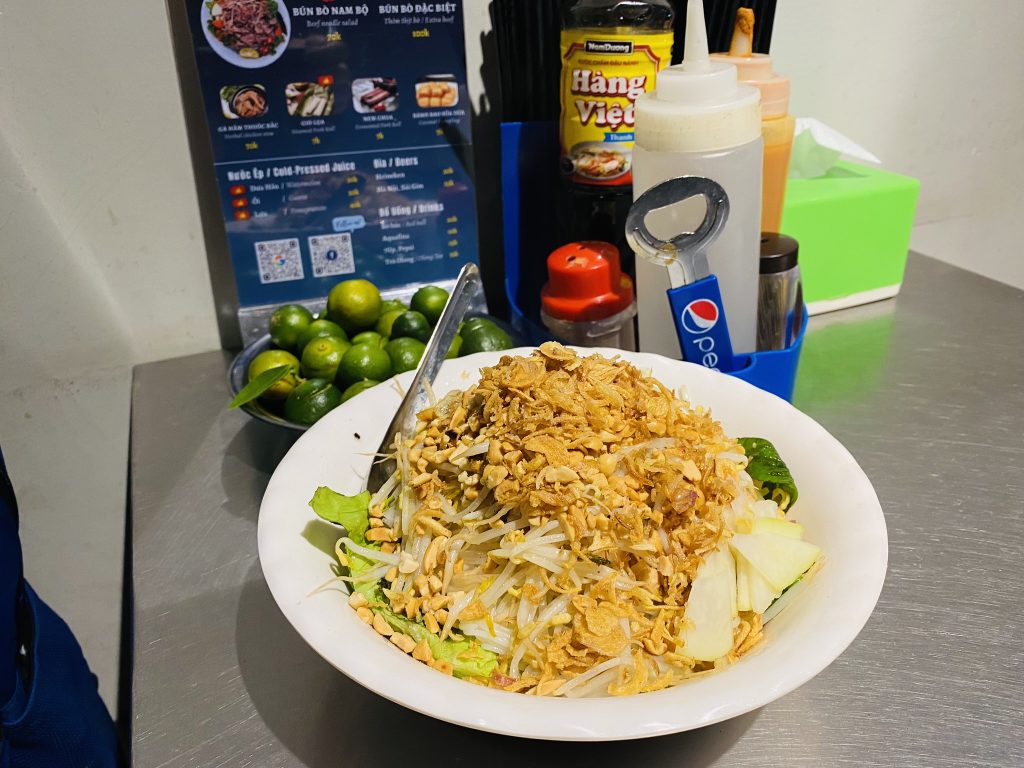
10. Bun Bo Nam Bo
Bun bo nam bo is a dry beef noodle bowl with rice noodles, stir-fried beef, herbs, bean sprouts, peanuts, fried shallots, and a sweet-salty dressing. Despite the name, it is now a very common Hanoi lunch.
Why try it: it is easy to like, not soupy, and good for travelers who want bright herbs and savory beef in one bowl.
Typical price: 55,000-90,000 VND.
11. Nem Cua Be And Fried Spring Rolls
Fried spring rolls show up beside many Hanoi meals, but nem cua be is especially worth trying if you like crab. The square crab rolls are crisp, rich, and often eaten with bun cha or noodles.
Typical price: 15,000-40,000 VND each depending on size and filling.
12. Banh Goi
Banh goi is a fried pillow-shaped pastry filled with pork, mushroom, glass noodles, and quail egg. It is crunchy, hot, and best eaten as an afternoon snack with herbs and dipping sauce.
Typical price: 15,000-30,000 VND each.
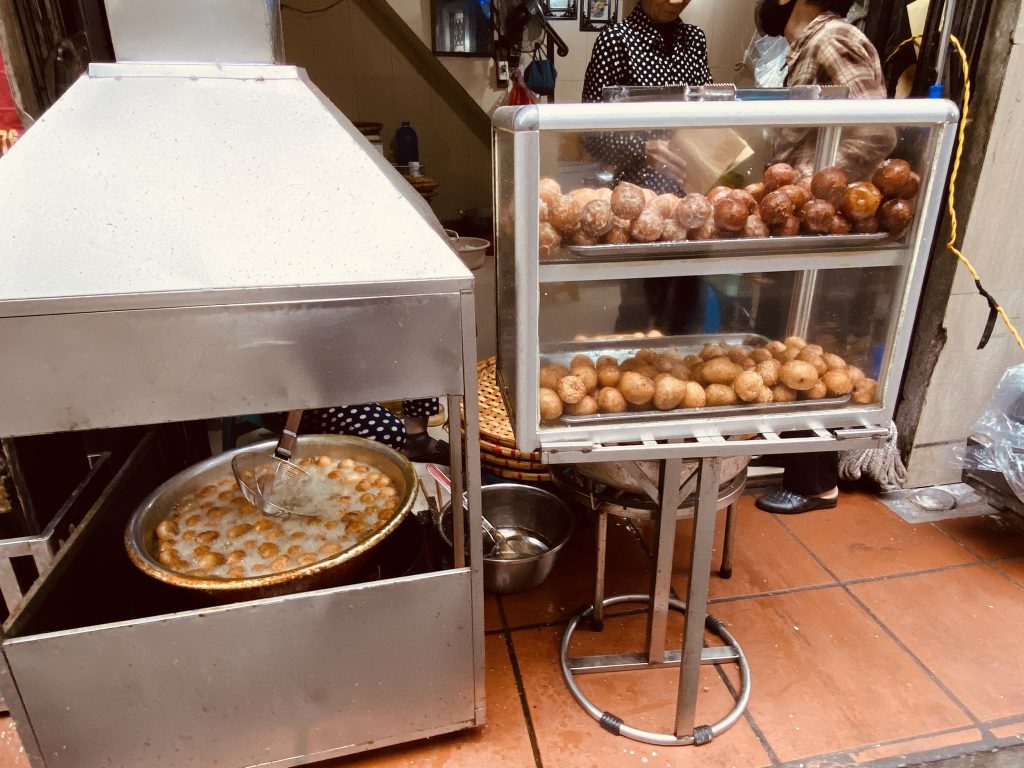
13. Banh Ran
Banh ran are Vietnamese fried doughnuts. In Hanoi you can find sweet sesame versions with mung bean, honey-coated versions, and savory versions with pork and mushroom.
Good for: a tiny street snack while walking through the Old Quarter.
Typical price: often 3,000-10,000 VND each.
14. Nom Bo Kho
Nom bo kho is green papaya salad with dried beef, herbs, peanuts, and a tangy dressing. It is light, chewy, crunchy, and especially good when you need a break from soups and grilled meat.
Typical price: 30,000-60,000 VND.
15. Che And Hoa Qua Dam
Vietnamese desserts are usually casual rather than formal. Try che, a sweet soup with beans, jelly, coconut milk, fruit, or sticky rice. In hot weather, hoa qua dam – mixed fruit with yogurt, condensed milk, and crushed ice – is an easy win.
Typical price: 20,000-50,000 VND.
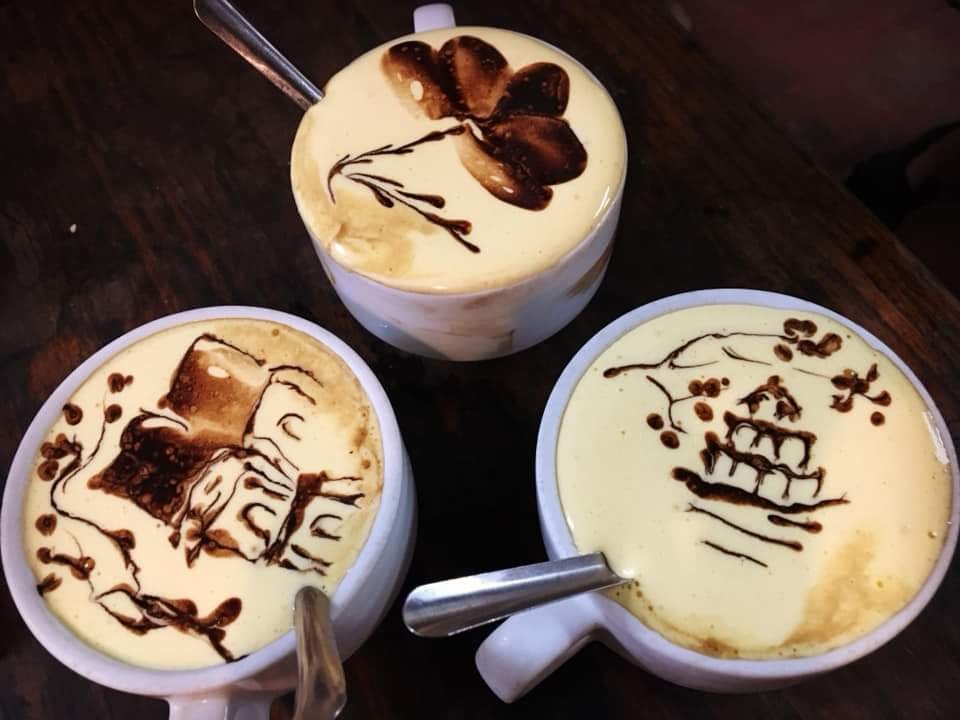
16. Egg Coffee
Egg coffee is one of Hanoi’s most famous drinks: strong Vietnamese coffee topped with whipped egg yolk, sugar, and condensed milk. It tastes more like tiramisu than breakfast eggs.
Best time: afternoon, especially after walking around Hoan Kiem Lake or the Old Quarter.
Typical price: 35,000-60,000 VND.
17. Bia Hoi And Drinking Snacks
Bia hoi is fresh draft beer served daily at casual street-side spots. It is light, cheap, and often paired with peanuts, grilled meat, fried tofu, or simple sharing plates. Read more in our bia hoi guide.
Typical price: 10,000-20,000 VND per glass in simple local places, sometimes more in tourist-heavy areas.
18. Vegetarian And Vegan Hanoi Food
Vegetarian and vegan food exists across Hanoi, but it is not always obvious from the street. Look for words like chay for vegetarian food, and remember that fish sauce, shrimp paste, pork stock, and chicken broth can appear in dishes that look plant-based.
Easy starting points include vegan banh mi, tofu noodle dishes, mushroom hot pot, fruit, sticky rice, papaya salad without beef, and specialist vegetarian restaurants. For planning, use our vegetarian and vegan restaurants in Hanoi guide.
Plant-based traveler? If you want vegan and vegetarian street food without guessing about broth, fish sauce, or shrimp paste, book the Hanoi Vegetarian Street Food Tour & Stories. It is designed for vegetarian travelers and has a vegan option, with local guides who help explain ingredients and ordering.
How Much Should You Budget For Food In Hanoi?
- Street food breakfast: 30,000-75,000 VND.
- Local lunch: 50,000-100,000 VND.
- Snacks and coffee: 20,000-70,000 VND per stop.
- Casual dinner: 70,000-180,000 VND.
- Specialty restaurant meal: 180,000-400,000 VND or more.
A food-focused day can be excellent on 300,000-500,000 VND per person if you eat mostly local food. Carry cash and small bills because many street vendors do not accept cards.
Is Hanoi Street Food Safe?
Hanoi street food is generally safe when you choose carefully. The safest-looking stall is not always the fanciest one; it is usually the busy one with fast turnover and visible cooking.
- Choose stalls where locals are eating.
- Prefer hot food cooked in front of you.
- Avoid food that has been sitting uncovered for a long time.
- Use bottled water instead of tap water.
- Bring allergy notes translated into Vietnamese if you have serious allergies.
- When in doubt, ask a local guide or hotel staff to write your restriction clearly.
Best Areas For Eating In Hanoi
Old Quarter
The Old Quarter is the easiest area for first-time travelers because dishes are close together and you can walk between stops. It is best for banh mi, pho, bun cha, egg coffee, fried snacks, bia hoi, and late-night wandering. For a route, use our Old Quarter street food guide.
Truc Bach And Ba Dinh
This area is useful for pho cuon, lake-side snacks, local coffee, and a slower feel than the most crowded parts of the Old Quarter.
West Lake
West Lake is good for cafes, international restaurants, vegan-friendly spots, seafood, snails, and longer meals when you want more space.
Dong Xuan Market Area
The Dong Xuan area is useful for market snacks, dried goods, fruit, spices, and hidden lanes near the northern edge of the Old Quarter.
A Simple First-Day Hanoi Food Plan
- Breakfast: pho or banh cuon near your hotel.
- Morning coffee: egg coffee after walking Hoan Kiem Lake.
- Lunch: bun cha with fried spring rolls.
- Afternoon snack: banh mi or banh ran.
- Dinner: choose a guided street food walk, or follow a small Old Quarter route.
- After dinner: bia hoi or fruit dessert if you still have room.
If that sounds like too much decision-making for your first day, a guided food tour is often the easiest way to understand Hanoi food quickly. You can then revisit your favorite dishes on your own for the rest of the trip.
Want the local version, not just the checklist? The Hanoi Street Food & Hidden Path Tour connects classic dishes with local stories, hidden lanes, and ordering help. It works well on your first or second night in Hanoi.
FAQ: What To Eat In Hanoi
What food is Hanoi most famous for?
Hanoi is most famous for pho, bun cha, banh cuon, cha ca, xoi, egg coffee, and street snacks around the Old Quarter. Pho and bun cha are the easiest first dishes for most travelers.
What should I eat first in Hanoi?
Start with pho for breakfast or bun cha for lunch. If you arrive in the evening, do a short Old Quarter food walk with banh mi, fried snacks, egg coffee, and one noodle dish.
Is Hanoi street food safe for tourists?
Usually yes, if you choose busy stalls, eat hot food, avoid old uncovered food, drink bottled water, and communicate allergies clearly. A local food tour can help if you are nervous on the first day.
Is Hanoi good for vegetarian or vegan travelers?
Yes, but it requires more care than it may seem. Fish sauce, shrimp paste, and meat broth are common. Look for vegetarian restaurants, vegan banh mi, tofu dishes, and consider the Hanoi Vegetarian Street Food Tour if you want street food without ingredient guessing.
How much does street food cost in Hanoi?
Most simple street food dishes cost about 30,000-90,000 VND. Coffee and desserts often cost 20,000-60,000 VND. Specialty dishes, seafood, hot pot, and sit-down restaurants cost more.
Where should I go for street food in Hanoi?
The Old Quarter is the easiest area for first-time travelers. For more local neighborhoods, try Truc Bach, Ba Dinh, West Lake, and market areas, but plan specific stops instead of wandering randomly when you are hungry.
Final Take
The best Hanoi food day is not about checking off the most famous dishes as fast as possible. It is about eating with the city: soup in the morning, charcoal smoke at lunch, coffee in the afternoon, snacks after dark, and a few local surprises between them.
Start with pho, bun cha, banh cuon, xoi, banh mi, cha ca, egg coffee, and one dessert. Then use your second meal or second night to go deeper, either with a local guide or a focused route through the Old Quarter.


